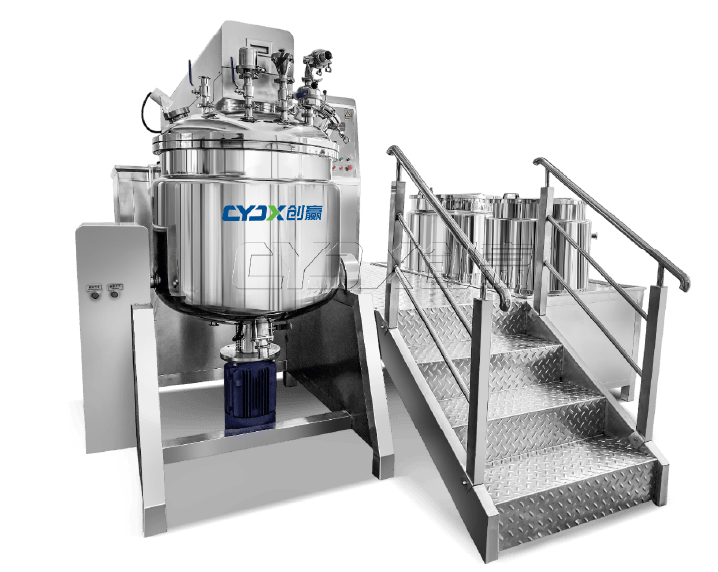
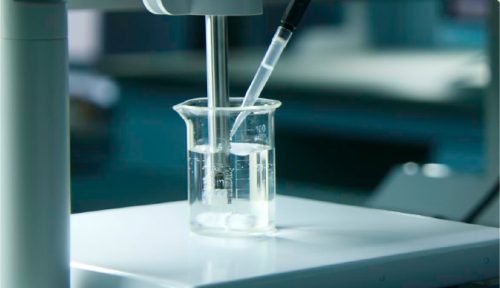
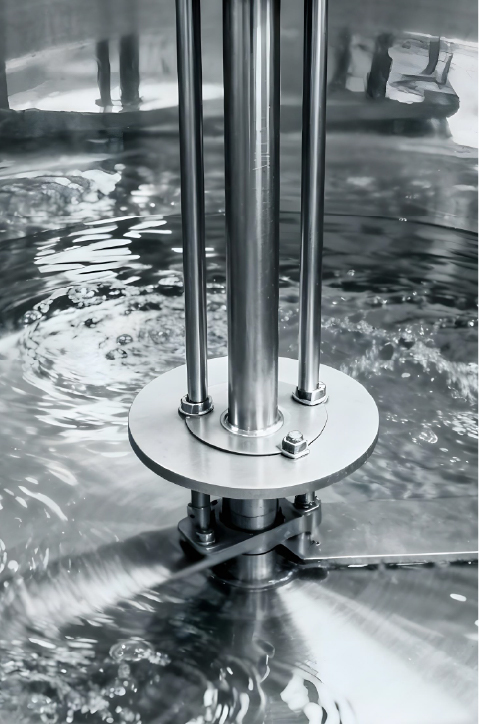
A Vacuum Emulsifying Homogenizer is an advanced mixing system designed for the production of emulsions, creams, suspensions, and viscous liquid products. It is widely used in the cosmetic, pharmaceutical, food, and chemical industries for manufacturing products that require stable and uniform texture.
The machine integrates several processing functions into one complete system, including mixing, homogenizing, dispersing, vacuum deaeration, heating, and cooling. Compared with conventional mixers, the vacuum emulsifying homogenizer provides better control over product consistency and processing conditions.
One of the key features of this equipment is the vacuum mixing environment. During the mixing process, the vacuum system helps reduce air bubbles inside the material, which improves product appearance, stability, and smoothness. Vacuum processing can also help minimize foam generation and support more efficient blending of ingredients.
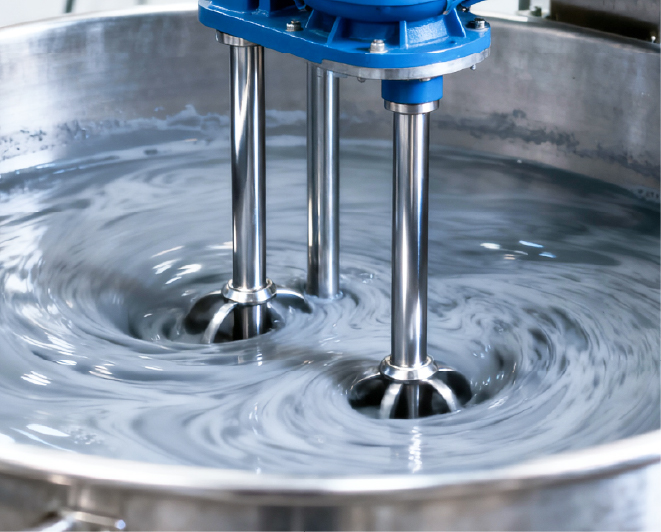
The homogenizing system uses high-speed rotor and stator technology to break down particles into finer sizes and create a more uniform emulsion. This process is especially important for products such as creams, lotions, gels, ointments, sauces, and liquid detergents.
Vacuum emulsifying homogenizers are available in different configurations to suit various production requirements.

 ZS Lab Vacuum Emulsifying Mixer